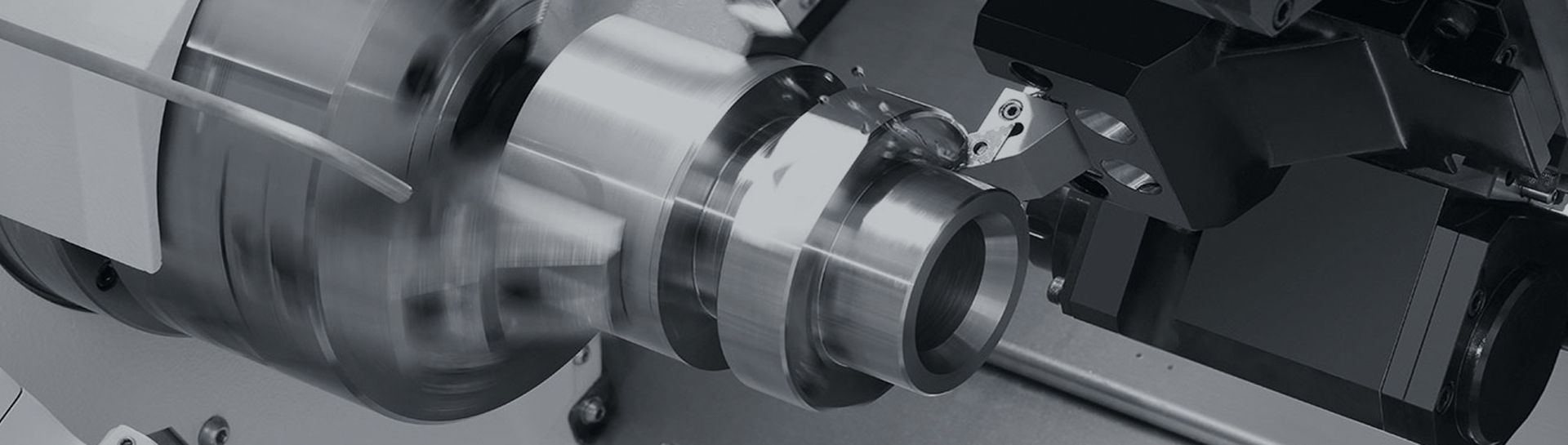
A drum gear coupling (or drum clutch) is a type of friction coupling where torque transmission is achieved through frictional forces generated between the inner surface of a cylindrical drum and the outer surfaces of friction elements (shoes, bands, or segments).
Operating Principle and Design
Main Components:
Drum (Drum Pulley): A cylindrical component rigidly connected to the driving or driven shaft.
Friction Linings: Special shoes, bands, or segments with a high coefficient of friction, mounted on the mating part of the coupling.
Actuation (Engaging) Mechanism: A device for generating the force that presses the friction elements against the drum. It can be mechanical (lever, spring), pneumatic, hydraulic, or electromagnetic.
Disengagement System: A mechanism for separating the friction elements to stop torque transmission.
How it Works:
The coupling is engaged by pressing the friction elements against the inner surface of the rotating drum. The resulting frictional force causes the mating part of the coupling (connected to the other shaft) to rotate. Disengagement occurs when the actuating force is released, and the elements are moved away from the drum, breaking the mechanical connection.
Main Types of Drum Couplings
Internal Drum Shoe Coupling (Drum Clutch): Friction shoes are positioned inside the drum and are pressed radially against its inner surface. Actuation is typically mechanical or electromagnetic.
External Band (Belt) Coupling/Brake: Uses a flexible steel band with a friction lining that wraps around the drum's exterior. Engagement occurs by tightening the ends of the band. Commonly used in brake systems and certain types of drives.
Advantages
Smooth Engagement: Allows shafts to be connected under load without sudden shocks, enabling stepless control of transmitted torque (through controlled slippage during engagement).
Can Function as a Safety/Slip Clutch: Slippage occurs when the torque exceeds a preset limit, protecting downstream machinery from overload.
Simple Design (especially for some types).
Radial Compactness (for internal shoe types).
Ease of Automation for control using pneumatic, hydraulic, or electrical systems.