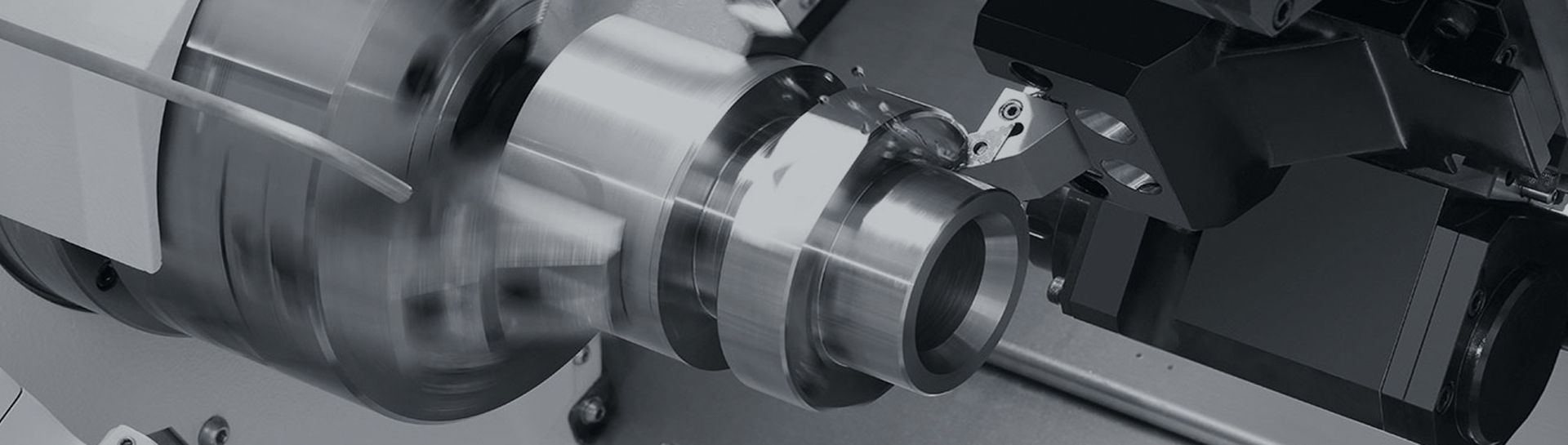
Couplings are fundamental mechanical devices that connect two rotating shafts to transmit power from a driving unit to a driven machine. They serve as the critical link in power transmission systems, enabling the transfer of torque while accommodating various operational conditions. From massive industrial machinery to precision instruments, couplings play an indispensable role in ensuring smooth and efficient operation across countless applications.
The importance of couplings extends beyond simple power transmission. They protect connected equipment from misalignment, absorb shock loads, compensate for thermal expansion, and reduce vibration transmission. Without proper coupling selection and installation, machinery would experience premature wear, increased maintenance costs, and potential catastrophic failures.
Classification and Types
Couplings can be broadly categorized into rigid and flexible types. Rigid couplings provide a solid connection between shafts and are used when precise alignment is maintained. Common rigid couplings include sleeve couplings, flange couplings, and clamp couplings. These are simple in design, cost-effective, and offer high torque capacity, but they cannot tolerate any misalignment.
Flexible couplings are designed to accommodate misalignment while transmitting torque. They can handle angular, parallel, and axial misalignment to varying degrees. Major types include jaw couplings with elastomeric spiders for shock absorption, gear couplings with high torque capacity, disc couplings using flexible metal discs, universal joints for large angular misalignment, and Oldham couplings for parallel misalignment.
Special purpose couplings include fluid couplings for smooth torque transmission, magnetic couplings for contactless power transfer, and safety couplings that disconnect or slip when torque exceeds predetermined limits to protect machinery.
Key Functions and Selection Criteria
The primary function of any coupling is to transmit rotational power efficiently. However, modern couplings must also compensate for misalignment, absorb vibrations, accommodate thermal expansion, and protect equipment from overloads. Selection requires careful consideration of torque requirements (including peak and shock loads), operating speed range, type and degree of misalignment, environmental conditions (temperature, humidity, chemicals), space constraints, maintenance requirements, and cost considerations.
Applications and Importance
Couplings find applications in virtually every industry. Industrial machinery uses them in pumps, compressors, conveyors, and machine tools. Automotive applications include drive shafts, steering systems, and auxiliary drives. Marine propulsion systems, aerospace engines, wind turbine gearboxes, and robotic motion control systems all rely on properly selected couplings for reliable operation.