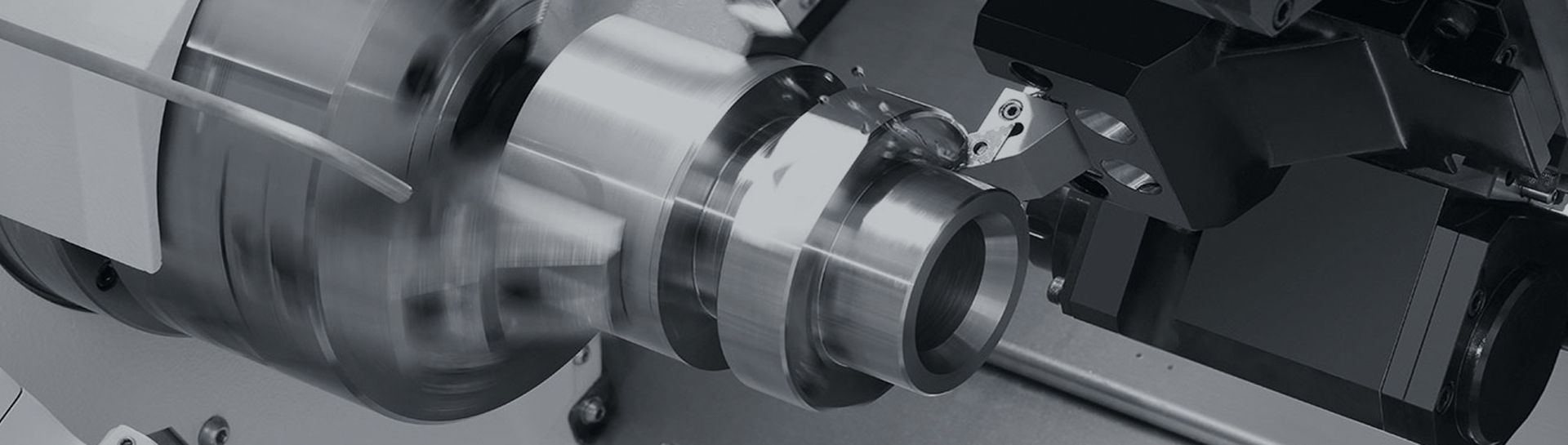
A drum gear coupling is a specialized type of gear coupling designed for heavy-duty mechanical transmission applications. It consists of two outer-toothed sleeves, two inner-toothed sleeves, and optionally a spacer. The most distinctive feature of this coupling is its spherical-shaped outer teeth, with the center of the sphere located on the gear's axis. This design differs significantly from straight-tooth couplings, providing superior performance characteristics.
Working Principle
The drum gear coupling operates through the meshing of inner and outer teeth. When connected shafts experience angular displacement, the spherical outer teeth roll on the inner-tooth surface, allowing the coupling to compensate for misalignment. The larger tooth side clearance and spherical tooth design enable adaptation to axial and radial displacements while maintaining effective torque transmission. The large contact area between teeth ensures even load distribution, which is crucial for high-torque applications.
Key Technical Features
1. High Load-Carrying Capacity
Under the same outer diameter conditions, the drum gear coupling's bearing capacity is 15-20% higher than straight-tooth couplings. This enhanced capacity results from the spherical tooth design that increases contact area and reduces stress concentration on tooth surfaces.
2. Superior Angular Displacement Compensation
When radial displacement is zero, the drum gear coupling allows angular displacement of 1°30", compared to 1° for straight-tooth couplings—a 50% improvement. This capability makes it ideal for applications where perfect shaft alignment is difficult to maintain.
3. Improved Wear Resistance and Noise Reduction
The drum-shaped tooth surface improves contact conditions between inner and outer teeth, avoiding edge extrusion and stress concentration issues common in straight-tooth designs. This results in reduced friction, improved wear conditions, lower operating noise, and extended maintenance cycles.
4. High Transmission Efficiency
The coupling achieves transmission efficiency up to 99.7%, ensuring minimal power loss during operation.
5. Easy Assembly and Disassembly
The horn-shaped tooth end design of the outer gear sleeve facilitates convenient installation and removal of inner and outer teeth components.
Technical Specifications
Nominal Torque Range: 1.12 kN·m to 50 kN·m
Allowed Rotation Speed: 4000 rpm to 2100 rpm
Shaft Hole Diameter: 22 mm to 200 mm
Shaft Hole Length: 52 mm to 352 mm
Working Temperature: -20°C to +80°C
Connection Type: Keyway & Shaft hole
Applications
Drum gear couplings are widely used in various industrial sectors:
Metallurgy: Rolling mills, blast furnaces
Mining: Crushers, ball mills, conveyors
Lifting and Transportation: Heavy machinery
Petrochemical: Pumps, compressors
Power Generation: Steam turbine generators, fans
Cooling Towers: Fan and pump drives
Mixing Equipment: Mixing tanks, mixers
Belt Transmission Devices: Machine tools, conveyors
Advantages
Strong load-bearing capacity
Large angular displacement compensation
Low noise operation
Compact structure with small turning radius
High transmission efficiency (99.7%)
Easy assembly and disassembly
Long maintenance cycle