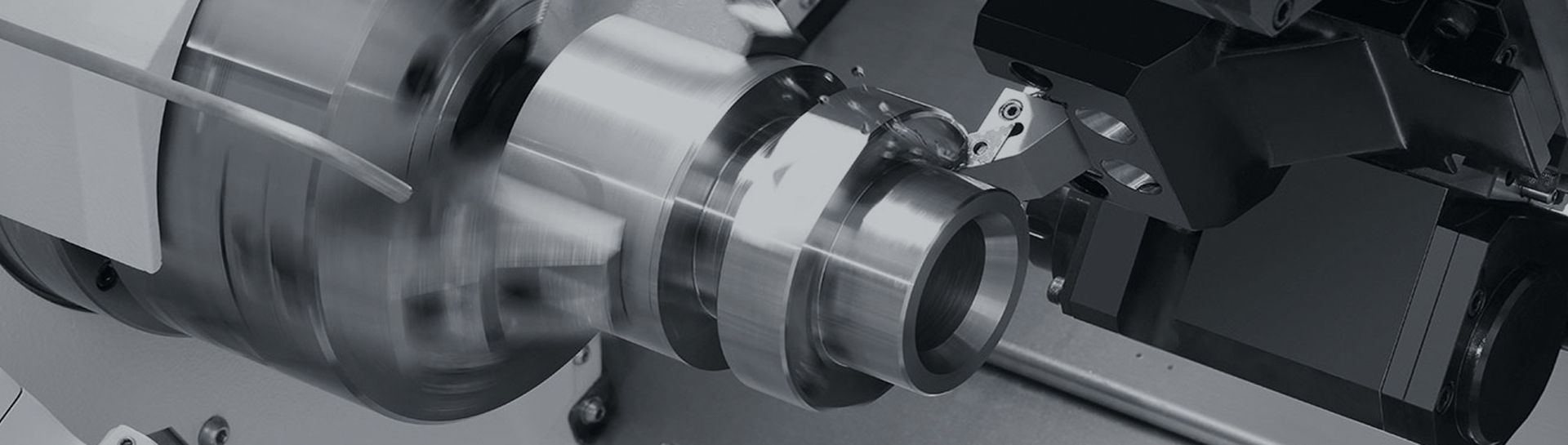
A drum gear coupling is a mechanically flexible coupling designed to connect two rotating shafts while accommodating misalignment and transmitting high torque. Its name comes from its distinct drum-shaped tooth design, which sets it apart from traditional straight-tooth couplings.
The coupling consists of two main components:
Two Hubs: Inner components with external gear teeth, mounted onto motor and driven equipment shafts using interference fit or keyways
Two Sleeves (Drums): Outer shell components with internal gear teeth that mesh with the hub teeth
Seals and Gaskets: Critical for sealing in lubricant and keeping out contaminants
Fasteners: High-strength bolts that clamp the sleeve halves together
Working Principle
The magic of the drum gear coupling lies in the interaction between the hub and sleeve teeth. As the connected shafts experience minor angular misalignment or parallel offset, the gear teeth allow for slight sliding and rocking motion, preventing harmful forces from being transmitted to the connected equipment. This flexibility protects bearings and seals from premature wear caused by shaft misalignment.
The drum-shaped tooth design enables the coupling to maintain better contact conditions during angular displacement, improving torque transmission ability and extending service life compared to straight-tooth couplings.
Key Advantages
1. Exceptional Misalignment Capacity
Drum gear couplings can accommodate significant angular and parallel misalignment—far more than many other coupling types. They can handle angular misalignments up to 1.5 degrees and provide superior compensation for radial, axial, and angular deviations.
2. High Torque Density
The design with multiple teeth engaged simultaneously provides an enormous surface area for transmitting power. This allows them to handle very high torque loads (up to 2000 kN·m) in a relatively compact package, making them ideal for space-constrained installations.
3. Torsional Rigidity
Unlike flexible elastomeric couplings, gear couplings are torsionally stiff. They do not exhibit backlash or wind-up under load, ensuring precise synchronization between connected shafts—crucial for applications like rolling mills or large synchronous motors.
4. Durability and Long Service Life
Constructed from high-strength alloy steels (typically 42CrMo steel) and often through-hardened or case-hardened, these couplings are built to last. When properly selected, installed, and maintained, they can endure years of continuous operation in punishing environments.
5. Maintainability
Most standard drum couplings are designed for easy maintenance. They can be disassembled, inspected, and reassembled without requiring axial movement of the connected equipment—a significant advantage for large machinery where moving multi-ton motors is a major undertaking.
6. High Transmission Efficiency
With transmission efficiency reaching up to 99.7%, drum gear couplings ensure minimal power loss during operation.