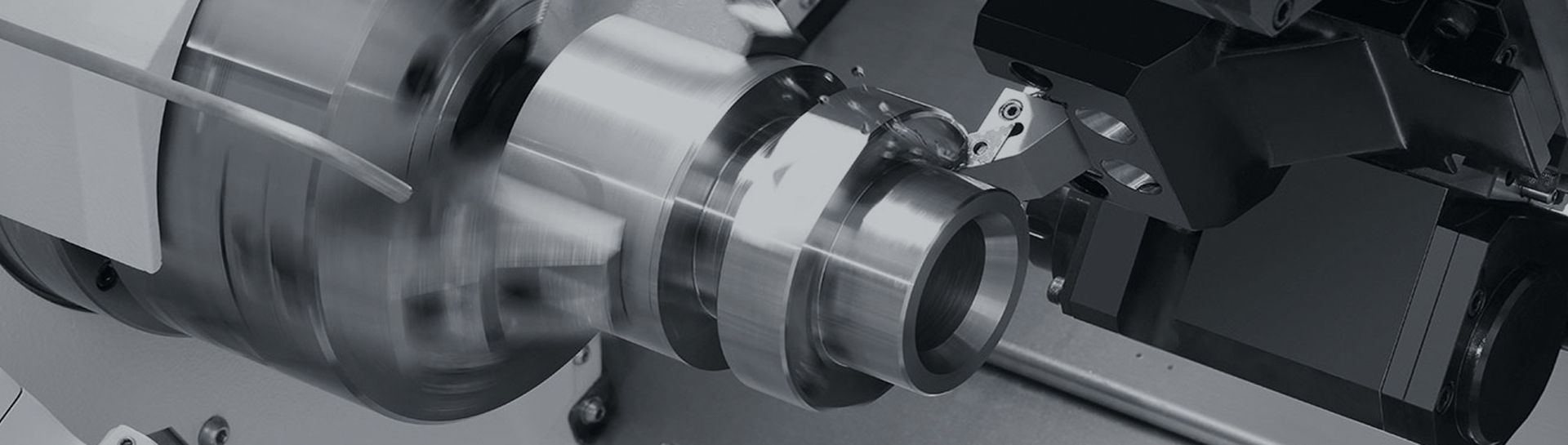
A diaphragm coupling is a high-precision, all-metal flexible coupling that transmits torque through thin, flexible metal diaphragms. It offers zero backlash, exceptional misalignment compensation, and maintenance-free operation, making it ideal for high-speed and high-precision machinery.
Structure and Working Principle
The diaphragm coupling consists of two hubs and a central diaphragm assembly, typically made from multiple layers of high-strength stainless steel thin plates. The diaphragms are bolted alternately to the driving and driven hubs. Torque is transmitted through the shear and bending deformation of the metal diaphragms, which also accommodate axial, radial, and angular misalignments. Unlike elastomer-based couplings, diaphragm couplings rely entirely on the elastic deformation of metal, ensuring consistent performance over a wide temperature range.
Key Advantages
Zero Backlash: Provides precise torque transmission with no lost motion, critical for high-precision applications.
Maintenance-Free: No lubrication required, eliminating leaks and contamination risks.
High-Speed Capability: Designed for operation at extremely high rotational speeds.
Wide Temperature Resistance: Performs reliably in temperatures ranging from cryogenic to over 280°C.
Corrosion Resistance: Stainless steel construction offers excellent resistance to harsh environments.
High Efficiency: Transmission efficiency exceeding 99.8%.
Typical Applications
Diaphragm couplings are the preferred choice for critical and high-precision industrial applications:
Aerospace and defense systems
High-speed pumps, compressors, and turbines
Semiconductor manufacturing equipment
CNC machine tools and precision robotics
Medical and pharmaceutical machinery
Power generation and oil & gas processing equipment